Mastering Emotional Intelligence: The Silent Pillar of Professional Excellence
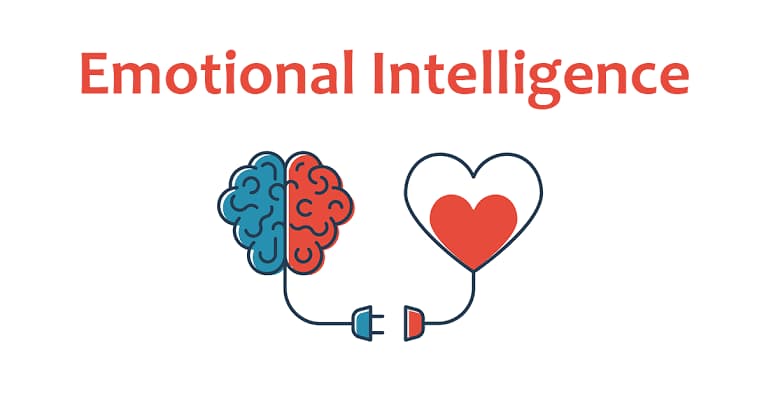
In the modern professional landscape, the traditional focus on IQ and technical proficiency is rapidly shifting. Today, the most successful leaders and teams are defined not just by what they know, but by how they manage themselves and their relationships. This is the realm of Emotional Intelligence (EI).
What is Emotional Intelligence? Emotional Intelligence is the ability to recognize, understand, and manage our own emotions while effectively navigating the emotions of others. In a workplace setting, this translates to resilience under pressure, effective communication, and the ability to resolve conflicts with grace.
The Four Pillars of Workplace EI: 1. Self-Awareness: The foundation of EI. It involves recognizing your emotional triggers. Are you reacting out of logic or out of a stress response during a meeting? Understanding your "internal weather" allows you to choose your response rather than reacting impulsively. 2. Self-Regulation: Once you are aware of an emotion, can you manage it? Self-regulation is the difference between a heated argument and a constructive feedback session. It involves the discipline to stay calm and maintain integrity, even when the stakes are high. 3. Social Awareness (Empathy): This is the ability to "read the room." Empathy in the workplace doesn’t mean agreeing with everyone; it means understanding their perspective. When a colleague is struggling, an emotionally intelligent professional recognizes the underlying stress and adjusts their approach accordingly. 4. Relationship Management: This is where the other pillars come together. It involves using your emotional awareness to influence, coach, and mentor others. It is the core of effective teamwork and leadership.
Why It Matters for Your Well-being A workplace lacking in EI is often a breeding ground for burnout and anxiety. By cultivating these skills, you create a "psychological buffer" that protects your mental health. You learn that while you cannot control your environment or your colleagues, you have absolute agency over your own internal response.
- Actionable Steps to Build Your EI Today:
- Practice the "Pause": Before responding to a challenging email or comment, take three deep breaths. This small gap allows your "thinking brain" to catch up with your "emotional brain."
- Active Listening: In your next conversation, focus entirely on what the other person is saying without formulating your rebuttal.
- Reflective Journaling: At the end of the day, identify one moment where you felt an intense emotion and reflect on how you handled it.
At Revive, Renew, & Restore, we believe that emotional health is the cornerstone of a meaningful life. Mastering EI at work isn't just about career advancement—it's about reclaiming your peace and building a professional life that feels as good on the inside as it looks on the outside.