Healing Trauma at the Root: An Introduction to EMDR Therapy
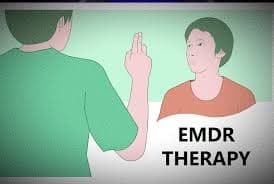
Trauma is not just in the mind; it lives in the body. Unlike standard memories, which fade and integrate over time, traumatic memories can get 'stuck' in the brain's processing system. They remain vivid and painful, often triggered by everyday events. EMDR (Eye Movement Desensitization and Reprocessing) is designed to unstuck them.
How Does EMDR Work? EMDR mimics the natural processing that happens during REM (Rapid Eye Movement) sleep. During a session, a therapist guides the client to focus on a distressing memory while simultaneously stimulating both sides of the brain (bilateral stimulation). This is usually done through moving the eyes back and forth, tapping, or auditory tones.
The Processing Effect This bilateral stimulation keeps the brain 'online' while visiting the trauma. It allows the brain to take the painful memory out of its frozen state and move it into long-term storage. The result? You still remember what happened, but the emotional charge is gone. It becomes a story from your past, not a threat in your present.
- Who is it For?
- While famous for treating PTSD, EMDR is highly effective for:
- Anxiety and Panic Attacks
- Phobias
- Grief and Loss
- Performance Anxiety
The Revive Approach At our centre, our clinicians are certified in EMDR therapy. We provide a safe, controlled environment where healing can happen at your own pace. If talk therapy hasn't given you the relief you seek, EMDR might be the key to unlocking your recovery.